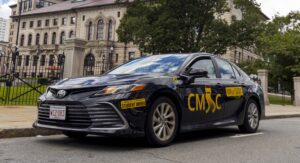

Most people searching for a defensive driving course in Massachusetts are looking for one of two very different things. The first group needs an online certificate, completed from home quickly and cheaply, hoping it will dismiss a traffic ticket or lower an insurance surcharge. The second group wants to actually become a better, safer driver. These are different needs with different solutions. Massachusetts also has specific RMV policies that determine which courses count for which purposes, and most online guides either get this wrong or skip it entirely. This guide covers what a defensive driving course in Massachusetts actually is, what the Massachusetts RMV does and does not approve, who genuinely needs which type of course, and where drivers in Central Massachusetts can access real in-person defensive driving skill training.
What Is a Defensive Driving Course in Massachusetts?
A defensive driving course teaches drivers to anticipate road hazards, respond to dangerous conditions, and operate vehicles more safely through controlled responses rather than reactive ones. The term covers a broad range of programs from short online modules to multi-hour in-person training sessions on closed tracks.
In Massachusetts, defensive driving programs generally fall into two categories. The first is the online or classroom certificate program, typically 2 to 3 hours, offered by national safety organizations and online traffic school providers. These programs cover traffic law review, hazard awareness basics, and collision statistics. They are available to most drivers regardless of age or experience level and can be completed in a single sitting.
The second category is in-person advanced driver training, which involves multi-hour programs conducted in actual vehicles on closed courses or structured road environments. These programs teach emergency braking, skid recovery, hazard avoidance at real speeds, and vehicle control under conditions that a certificate program cannot simulate. Understanding emergency braking in theory and executing it correctly in a real vehicle represent a significant skill gap.
What the Massachusetts RMV Does and Does Not Approve
The RMV General Policy on Online Defensive Driving Courses
The Massachusetts Registry of Motor Vehicles generally does not approve online defensive driving courses for mandatory ticket dismissal, insurance point reduction, or insurance surcharge removal. This is one of the most commonly misunderstood aspects of Massachusetts driver improvement programs.
Drivers who search for a defensive driving course in Massachusetts after receiving a traffic citation often find online course providers marketing their programs in ways that imply eligibility for ticket dismissal. Massachusetts RMV policy does not support this for most standard violations. If a court or clerk-magistrate has explicitly instructed you to complete a specific course, that instruction will identify which program satisfies the requirement. A generic online defensive driving certificate does not substitute for a court-ordered specific program.
When a Defensive Driving Course Does Count in Massachusetts
Two specific situations exist where completing a defensive driving program can benefit Massachusetts drivers.
First, some Massachusetts auto insurance carriers voluntarily offer premium discounts to policyholders who complete an approved defensive driving course. This is not a universal guarantee. The specific carrier, policy type, and program must all align. Drivers should contact their insurance agent directly and ask whether a specific program qualifies before enrolling.
Second, mass.gov lists defensive driving training as available through approved providers for government and public employee fleet training requirements. These are separate from consumer traffic programs and apply to specific professional contexts.
Outside of these two situations, completing an online defensive driving certificate in Massachusetts does not automatically produce a legal or financial benefit. The primary value of any defensive driving program for most Massachusetts drivers is the actual driving knowledge and skill it builds.
What Online Certificate Programs Do Provide
Online defensive driving programs do deliver legitimate educational content. A quality program covers traffic law review, right-of-way rules, and distracted driving risks. They also address fatigue awareness, following distance calculations, and hazard identification strategies. Drivers who have not reviewed Massachusetts traffic law since their permit test often find genuine useful information in these programs.
The limitation is not the information. The limitation is the skill gap between reading about emergency braking and actually performing it in a vehicle. Certificate completion does not build the muscle memory that determines what a driver does in the two seconds before a collision.
The Difference Between a Certificate and a Skill
Receiving a defensive driving certificate means completing a program. Developing defensive driving skills means being able to execute specific responses under conditions that trigger panic in untrained drivers.
The practical difference becomes visible in emergency situations. A driver who only read about brake management in a skid performs very differently under actual skid conditions. A driver who practiced recovering from a real skid in a controlled environment has an automatic response. The second driver’s reaction is learned and automatic. The first driver’s response requires recall under stress, which is exactly when recall fails.
Massachusetts roads create conditions that test both types of knowledge. Black ice on a Worcester County route in January does not give a driver time to remember what they read in a certificate program two years ago. Hazard avoidance at highway speeds, intersection navigation when lights fail, and emergency stops on wet pavement all require practiced physical responses.
Genuine defensive driving skill development happens through in-person training with real vehicles, real surfaces, and real instructors who watch each student’s specific inputs and correct them in real time.
Who Actually Needs Which Type of Defensive Driving Course in Massachusetts
Drivers With a Traffic Citation
If a court or clerk-magistrate has specifically instructed you to complete a defensive driving program, follow that instruction exactly. Ask for the specific program name, approved provider, and completion documentation required. Do not assume a generic online certificate satisfies a court-specific requirement. Confirm with the issuing court before enrolling in any program.
If you received a citation and were NOT ordered to complete a course, contact your insurance agent first. Ask directly whether completing a specific defensive driving course in Massachusetts will affect your insurance rates or surcharges. Get the answer in writing before spending money on a program.
Drivers Who Want Insurance Discounts
Some Massachusetts carriers offer voluntary premium discounts for defensive driving course completion. This varies significantly by carrier. Contact your insurance agent, name the specific program you are considering, and ask whether that specific program qualifies for a discount with your specific policy. Do not assume eligibility based on general advertising language from course providers.
Drivers Who Want Genuine Skill Improvement
Drivers who want to improve their actual driving ability need in-person instruction in a vehicle. This includes new drivers who passed their road test but recognize their skills need development. It includes experienced drivers who have had close calls and want to understand why. Parents of new teen drivers often benefit from assessing their own emergency response skills. Anyone driving in conditions that require confident vehicle control falls into this group.
For these drivers, CMSC’s advanced driver training programs address the specific vehicle control and emergency response skills that certificate programs cannot build. The skills developed through in-person instruction transfer directly to real driving situations in a way that online content does not.
Fleet Drivers and Commercial Vehicle Operators
Fleet drivers and commercial vehicle operators often have employer or regulatory requirements for defensive driving training that go beyond consumer certificate programs. CMSC’s fleet driver training program addresses the specific skills and safety standards that fleet operators require, including defensive techniques relevant to vehicle size, load management, and high-frequency driving exposure.
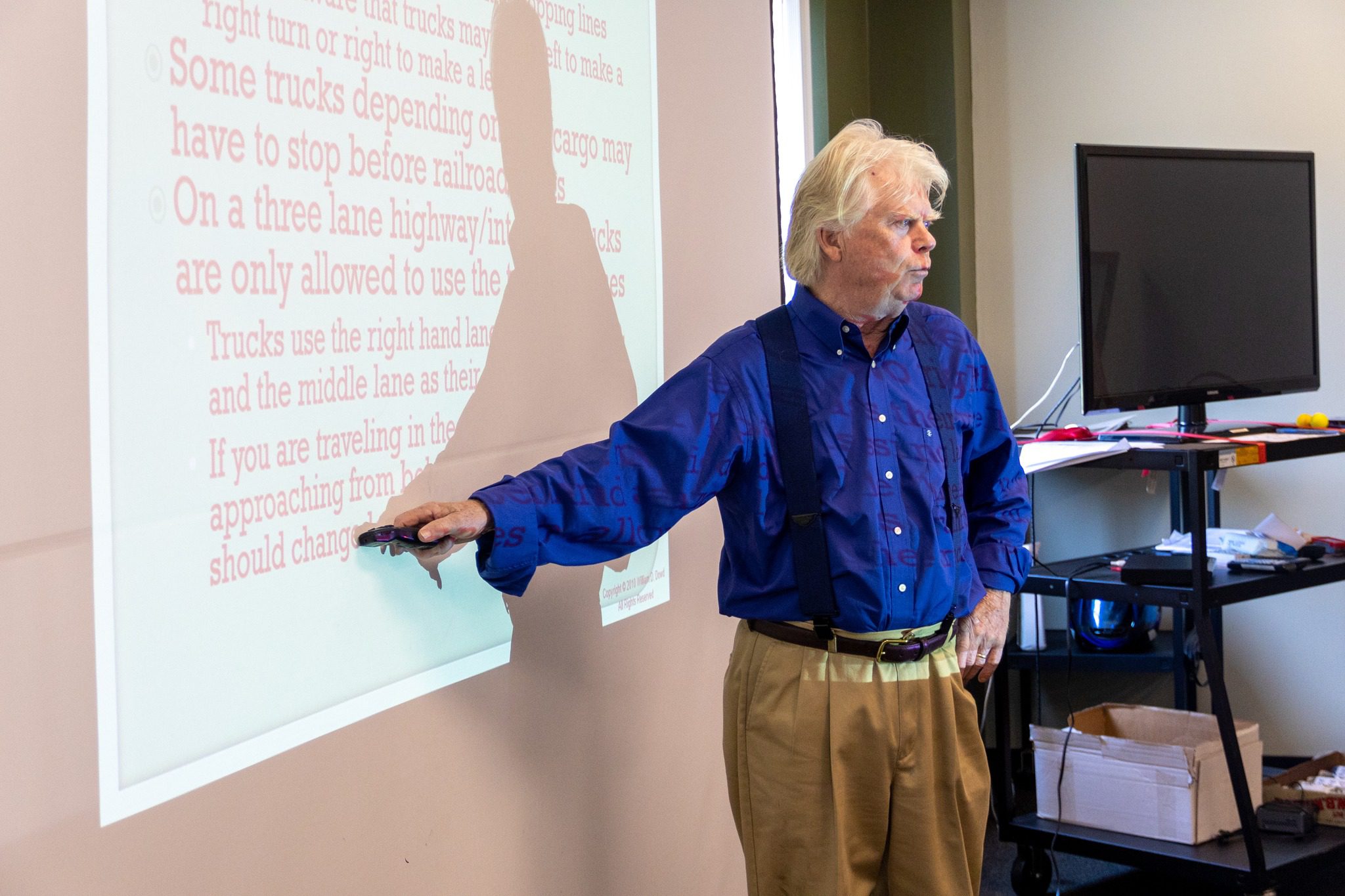
CMSC’s Approach to Defensive Driving Skills in Massachusetts
CMSC does not offer an online defensive driving certificate program. What CMSC offers is genuine in-person driving instruction that builds the actual skills defensive driving is supposed to develop.
The SKIDZ Advanced Driver Training Program
CMSC’s SKIDZ advanced driver training program is the most direct answer to the question of what real defensive driving skill training looks like in Massachusetts. The SKIDZ program operates on a dedicated closed course in Central Massachusetts. Students practice emergency maneuvers, skid recovery, and hazard avoidance in actual vehicles under conditions that cannot be reproduced in a parking lot or simulated on a screen.
The SKIDZ program is included with CMSC’s full teen tuition enrollment. It is also available to licensed drivers of all ages and experience levels who want to build or refresh specific vehicle control skills. The experience of managing a real vehicle in a real skid, with an experienced instructor providing real-time feedback, produces a different kind of preparation than any certificate program can offer.

Adult Driving Lessons with Defensive Techniques
CMSC’s adult driving lessons program incorporates defensive driving techniques throughout the curriculum. Every lesson covers hazard identification and safe following distances. Observation sequences before lane changes and directional movements are built into every session. The judgment skills developed transfer directly to collision avoidance in real Massachusetts traffic conditions.
Adult drivers who want to build specific skills find structured professional instruction more effective than self-study. CMSC’s instructors include professionals from law enforcement, commercial driving, and advanced rider training backgrounds. Their experience identifying and correcting specific student vulnerabilities in real traffic produces skill development that self-paced certificate programs cannot match.
Fleet Driver Training
CMSC’s fleet driver training program serves organizations whose employees operate company vehicles, delivery trucks, or specialized equipment across Massachusetts. The program covers defensive driving techniques specific to fleet vehicle operation, including following distance management for larger vehicles, backing procedures, and the situational awareness habits that reduce fleet incident rates.
Why Choose CMSC for Defensive Driving Skills in Massachusetts
CMSC has been training Massachusetts drivers since 1986. More than 100,000 students have completed CMSC programs across Central Massachusetts. That volume represents four decades of instructors observing exactly which driving behaviors produce dangerous situations and which skill-building techniques correct them most efficiently.
When a student demonstrates a specific vulnerable behavior in traffic, the instructor has seen that pattern hundreds of times and knows how to correct it effectively. Reaction delays, observation gaps, and hazard identification failures each have targeted corrections that in-person instruction delivers immediately. That institutional knowledge does not exist in any online certificate program.
CMSC’s programs are RMV-licensed and run across more than 20 locations in Central Massachusetts. Every vehicle is late-model, inspected, and insured. The SKIDZ closed course provides conditions that public roads cannot safely replicate.
What CMSC Students and Parents Say
“CMSC was extremely helpful in teaching my children beyond the basic driving skills. The instructors were knowledgeable, patient and professional and worked to boost confidence. The additional offered classes for Parallel Parking Bootcamp and Skid School were an advantage above other driving schools. I would also highly recommend CMSC driving school to anyone who has adaptive driving needs.” – Lesley W., verified CMSC parent
“We were very happy with CMSC overall. Most of the instructors were very good. Mike Vetros was excellent. He put my son at ease and he enjoyed his lessons with him while learning a lot of safe driving info. He made the experience much less stressful and my son drives with confidence after passing his road test on the first attempt.” – Linda Jones, verified CMSC parent
“This is an amazing school with incredible people! The staff is helpful with scheduling and assisting parents through the driving school and testing process. The owners are fantastic and genuinely care about their students success and safety. Absolutely the best driving school!” – Sonja A., verified CMSC parent
Rated 4.9 stars across more than 3,379 verified Google reviews. CMSC’s consistency across every program type reflects the institutional approach: every student leaves with skills that transfer to real driving situations, not just documentation that something was completed.
Conclusion
A defensive driving course in Massachusetts means different things depending on what you actually need. A court order for a specific program should be followed precisely. Drivers exploring an insurance discount should confirm eligibility with their carrier before enrolling. For drivers who want to become genuinely more capable, the most direct path is not a certificate. It is structured in-person instruction in a real vehicle with an experienced instructor who corrects your specific inputs in real time. CMSC’s SKIDZ advanced driver training program, adult driving lessons, and fleet training programs deliver that instruction across Central Massachusetts. For drivers whose goal is real skill development rather than documentation, the difference between a generic defensive driving course in Massachusetts and CMSC’s in-person approach is the difference between reading about emergency braking and knowing how to execute it.
About the Author
Jake Cooney is the CEO of CMSC Driving School, an RMV-licensed professional driving school serving Central Massachusetts since 1986. Under his leadership, CMSC has trained over 100,000 Massachusetts drivers and built the only Driver Skills Development Program on a dedicated closed skid track in Central Massachusetts. Jake oversees a team of 50-plus RMV-certified instructors including former state troopers, police officers, and professional drivers.